


Education
Obi Decries Over 3-Month FCT Teachers’ Strike, Says Nation Is Failing Its Children

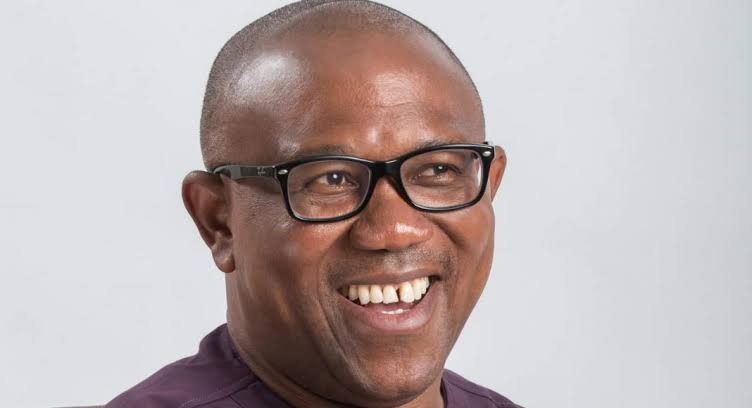
Former Labour Party presidential candidate, Peter Obi, has expressed concern over the ongoing strike by public primary school teachers in the Federal Capital Territory (FCT), which has left pupils out of classrooms for more than three months.
In a statement shared Thursday on his official X (formerly Twitter) account, Obi criticized the prolonged inaction over the industrial dispute and warned that the country is neglecting its most valuable asset its children.
“It is a known and verifiable study that the more educated a nation is, the more developed it is. Consequently, the most important investment and policy a nation requires is educating its people, especially children, to secure their future,” Obi stated.
He emphasized that education is the most critical and immeasurable component of human development, noting that the nation’s progress is directly tied to how well its people are educated.
Obi recalled that Nigeria is a signatory to international development agreements that prioritize education.
“Nigeria is not only a signatory to the Millennium Development Goals and Sustainable Development Goals both of which prioritise education as a key development indicator—but also has the Universal Basic Education law in place to guarantee every child access to quality basic education.”
He described the ongoing FCT teachers’ strike as a national embarrassment, especially since it is happening in the capital city.
“When the strike began, we all thought, ‘This is Abuja; it will only last for a day or two.’ But here we are, three months later, our children are still at home and we are busy renovating the infrastructure,” he said.
According to Obi, investing in physical infrastructure while ignoring education is a misplaced priority.
“The foundation of societal development is educated citizenry, not physical infrastructure. True development is about building people. It is about educating the next generation,” he added.
He warned that failing to prioritize children’s education could have long-term negative consequences.
“Ignoring children’s education equates to deepening poverty, insecurity, and underdevelopment.”
Obi called for an urgent shift in national priorities, placing human capital development at the forefront.
“We must prioritise investment in human capital, especially in basic education, healthcare, and pulling people out of poverty. That is how nations grow. That is how we build the New Nigeria that is possible,” he concluded.