


Politics
Femi Falana Rejects Obi’s Single-Term Agenda, Calls It a Distraction

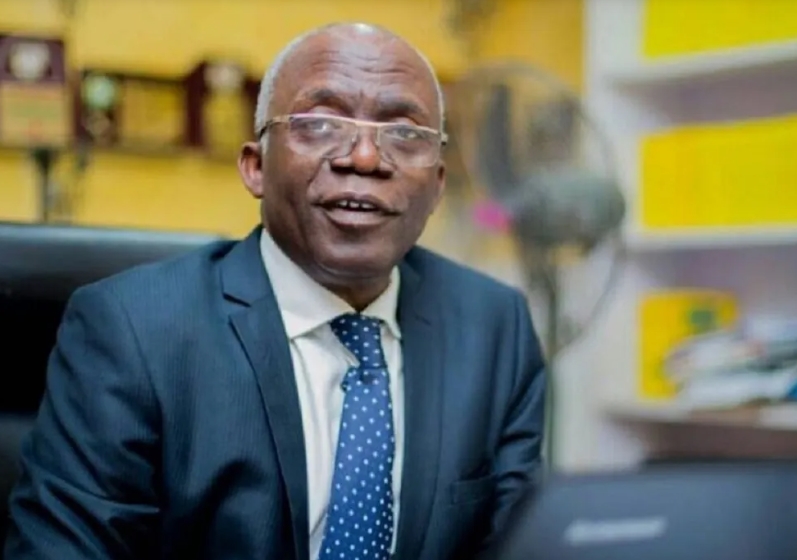
Human rights lawyer and Senior Advocate of Nigeria (SAN), Femi Falana, has rejected the idea of a single-term presidency being proposed ahead of the 2027 general elections, describing it as a political distraction from Nigeria’s more pressing challenges.
Speaking on Channels Television’s Politics Today on Monday, Falana cautioned against reducing the nation’s political conversation to zoning, tenure length, and regional power shifts. He particularly dismissed Labour Party presidential candidate Peter Obi’s recent proposal to serve a single term if elected, saying such conversations undermine the country’s real needs.
“I’m not going to join the campaign for power shift or power remaining in one part of the country for four years or eight years. No, that’s diversionary,” Falana said.
Obi had recently reaffirmed his readiness to serve a single four-year term as president to respect Nigeria’s informal North-South power rotation. However, Falana argued that such proposals insult the Nigerian people by prioritizing political calculations over meaningful governance.
“You insult the Nigerian people when you base the politics of the country on which side or religious group should govern. For goodness’ sake, can we address the problems confronting the country and embrace those who have solutions?” he asked.
Falana emphasized that Nigeria’s political leaders must prioritize addressing the country’s core issues—such as insecurity, widespread poverty, hunger, and the unstable power supply—rather than engaging in political maneuvering.
Citing the Nigerian Constitution, he pointed to Section 14, which states that “the security and welfare of the people shall be the primary purpose of government.”
He also referenced Section 224, which mandates political parties to align their policies with the fundamental objectives of state policy.
“Let us begin to address problems confronting the country, including electricity, because without electricity, we cannot have industrialisation,” he added.
CHANNELS