
Health
Sleep Apnea: Symptoms and What to Do

Many people assume that loud snoring or constant tiredness is normal, but these could actually be signs of sleep apnea, a serious sleep disorder where breathing repeatedly stops and starts during the night.
According to medical reports obtained from health experts, untreated sleep apnea can lead to heart problems, stroke, diabetes, and reduced quality of life. Knowing the signs early is the first step toward getting help.
One of the clearest indicators is loud, persistent snoring, often followed by pauses in breathing or gasping for air during sleep. If your partner notices that you sometimes stop breathing or choke while sleeping, this is a strong warning sign that should not be ignored.
Another way to know you might have sleep apnea is how you feel during the day. People with the condition often wake up with morning headaches, feel excessively tired, and struggle to stay awake at work or while driving. Poor concentration, irritability, and mood changes are also common but often overlooked.
Sleep apnea doesn’t affect only older or overweight people. While obesity, smoking, alcohol use, and age increase the risk, even young and healthy individuals can develop it. If you constantly feel exhausted no matter how long you sleep, it’s worth considering a medical evaluation.
The only way to confirm sleep apnea is through a sleep study (polysomnography), which monitors breathing, oxygen levels, and sleep patterns. In some cases, doctors may recommend a home sleep test for initial screening.
Causes of Sleep Apnea
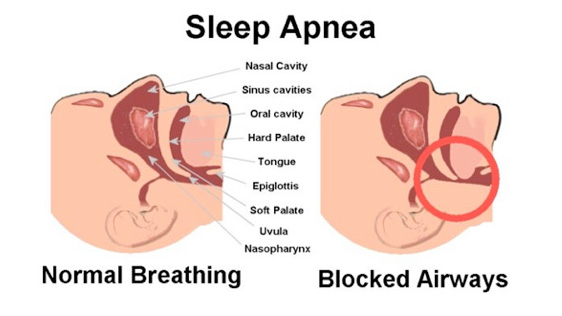
Sleep apnea has several underlying causes. The most common is obesity, as excess fat around the neck and throat can block the airway during sleep. Other contributing factors include smoking, alcohol use, nasal congestion, family history, aging, and certain structural issues in the throat or jaw. While men are more likely to develop it, women and even young adults are also at risk.
What to Do If You Have Sleep Apnea
If you suspect you have sleep apnea, the first step is to see a doctor. Diagnosis usually involves a sleep study to monitor breathing and oxygen levels overnight. Treatment depends on severity and can include:
Lifestyle changes such as weight loss, quitting smoking, and reducing alcohol intake.
CPAP therapy, which uses a machine to keep airways open during sleep.
Oral appliances designed to prevent airway blockage.
Surgery in severe cases, to remove tissue or correct structural problems.
With proper treatment, most patients experience better sleep, improved energy, and a lower risk of long-term health complications.
If you recognize these symptoms in yourself or a loved one, don’t ignore them. Sleep apnea is not just snoring, it is a medical condition that requires attention.