


Health
El Niño in Nigeria: What to Know About Heatwaves, How to Stay Safe

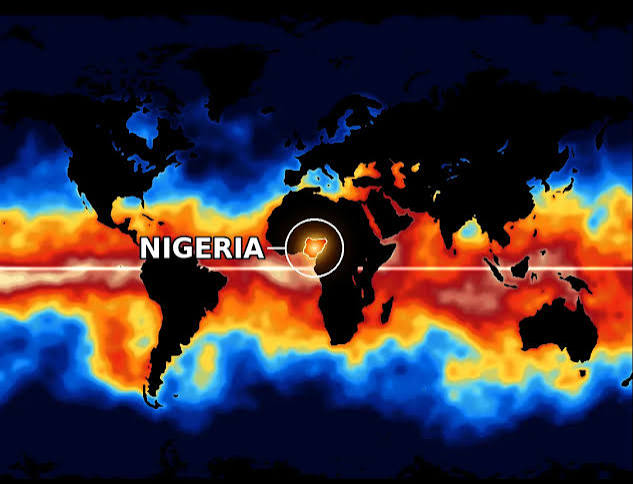
El Niño is drawing global attention as climate agencies warn that the current event could strengthen and influence weather patterns into 2027. For Nigerians, the concern is its potential effects on extreme heat, rainfall, agriculture and public health.
The United States National Oceanic and Atmospheric Administration (NOAA) reported on October 8, 2026, that there was more than an 83 per cent chance of a strong-to-very-strong El Niño persisting through January to March 2027. However, this does not mean every part of Nigeria will experience extreme heat or drought.
Here is what Nigerians need to know about El Niño, its possible effects and how to stay safe.
What Is El Niño?
El Niño is a natural climate phenomenon that occurs when surface waters in the central and eastern equatorial Pacific Ocean become unusually warm.
According to NOAA, it is part of a climate cycle known as the El Niño–Southern Oscillation (ENSO), which also includes La Niña, its cooler phase.
El Niño changes ocean and atmospheric conditions, influencing temperatures and rainfall patterns in different parts of the world. Its effects vary by location and season.
Why Is El Niño a Concern in 2026?
The World Meteorological Organization warned in September 2026 that the current El Niño could become very strong, increasing the risk of unusual weather conditions in parts of the world.
For Nigeria, the concern is how changing weather patterns could affect heat exposure, farming, water supplies and food production.
A Climate Impact Lab projection also estimated 31,400 additional heat-related deaths in Nigeria between September 2026 and February 2027. This is a model-based estimate, not a confirmed death toll or a guarantee that the deaths will occur.
How Could El Niño Affect Nigeria?
- Extreme heat: Hot conditions can increase the risk of dehydration, heat exhaustion and heatstroke, particularly among outdoor workers, older people and children.
- Rainfall changes: Some areas could experience prolonged dry spells, potentially affecting farming and water supplies. However, El Niño does not automatically mean nationwide drought.
- Food production: Unfavourable rainfall and excessive heat can damage crops and affect livestock, potentially putting pressure on food supplies and prices.
- Flooding: Heavy rainfall and flooding remain possible because Nigeria’s weather is influenced by several climate systems, not El Niño alone.
The effects may differ across states, making local forecasts from the Nigerian Meteorological Agency (NiMet) important.
How to Stay Safe During Extreme Heat
Nigerians can take simple precautions to reduce the risks associated with hot weather.
- Drink water regularly to prevent dehydration, especially when working outdoors.
- Limit strenuous activities during peak heat and take breaks in shaded or cool areas.
- Wear light, breathable clothing to stay more comfortable in hot conditions.
- Check on vulnerable people, including young children and older relatives.
- Recognise heat illness: Dizziness, nausea and weakness may signal heat exhaustion. Confusion or loss of consciousness requires urgent medical attention.
- Follow weather alerts and prepare for both dry conditions and heavy rainfall.
What Should Farmers and Communities Do?
Farmers should follow seasonal climate predictions and agricultural advisories when planning planting dates and water use. Water conservation and suitable crop varieties may also help reduce weather-related risks.
Communities should keep drainage channels clear, avoid floodwater and support early preparation for extreme heat and rainfall.
Where Can Nigerians Get Weather Updates?
Nigerians can check the Nigerian Meteorological Agency’s official website at nimet.gov.ng for forecasts and climate advisories.
The World Meteorological Organization and NOAA also provide updates on El Niño and its potential global effects.
El Niño does not guarantee a particular weather outcome for every Nigerian state. Staying informed, taking sensible precautions against extreme heat and following official local forecasts can help people prepare without unnecessary panic.