


Health
BLS Training Program for Healthcare Professionals

Have you ever wondered what it takes to save a life during a medical emergency? In critical moments, knowing how to perform basic life support can mean the difference between life and death.
For healthcare professionals, this knowledge isn’t just helpful-it’s essential. From hospitals to clinics and emergency sites, fast, skilled action matters most.
That’s where BLS training comes in. It teaches how to respond quickly and correctly to heart attacks, choking, and cardiac arrest. These skills boost both confidence and patient outcomes.
Discover how BLS training can keep you ready and make you a stronger healthcare provider. Read on!
What Is Basic Life Support?
Basic Life Support is the medical care that is given to someone in an emergency when their life is in danger. It teaches things like how to use an automated external defibrillator, do chest compressions, and do rescue breathing.
If you need to stabilize a patient before more advanced help arrives, BLS is often the first thing you do. Health care workers are trained to look at the situation and start treatment right away.
Why Healthcare Professionals Need BLS Training
Healthcare providers often encounter emergencies in hospitals, clinics, or care homes. Having up-to-date BLS skills allows them to respond fast and correctly.
BLS training is a requirement for nurses, doctors, EMTs, and many others in the medical field. It helps create a safer environment for both patients and staff. Quick action through BLS can mean the difference between life and death.
What You Learn in a BLS Training Program
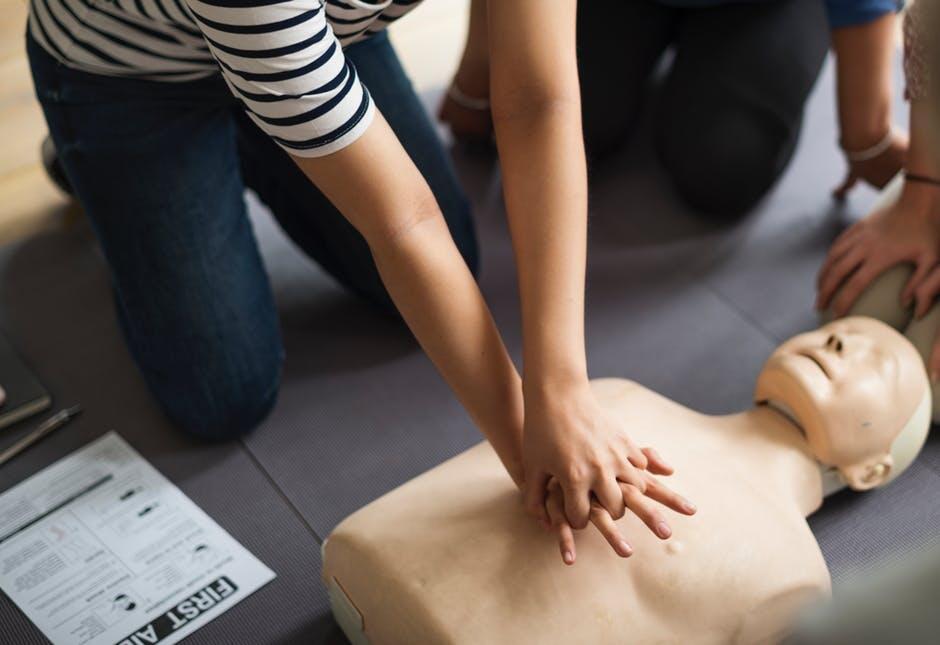
BLS training covers how to recognize cardiac arrest and start CPR. It teaches proper hand placement, compression depth, and rescue breathing techniques.
Students also learn how to operate an AED and how to work in teams during emergencies. The course includes both adult and pediatric life support skills.
How Certification Works and What to Expect
To become certified, participants must attend a BLS course and pass both a written test and a hands-on skills assessment. The course usually takes a few hours and is taught by certified instructors.
Upon passing, students receive a certification card that is valid for two years. Renewal courses are available to help keep skills fresh and updated. Many choose to certify through trusted providers like MyCPR NOW for quality, flexible training options.
Benefits of Getting BLS Certified
Getting your BLS certification makes you more confident in your ability to help people in emergencies. In addition to making patients safer, it also helps your career.
Employers are also more likely to hire healthcare workers who are certified. In an emergency, trained staff can start treatment before help gets there.
How to Choose the Right BLS Training Course
When selecting a BLS course, look for programs approved by major healthcare organizations. Make sure the training includes both hands-on practice and online learning for flexibility.
Read reviews and ask colleagues for recommendations. Choose a provider with experienced instructors and clear course materials. Finally, make sure the course offers a certification that’s widely accepted in the healthcare industry.
Mastering Basic Life Support and Being Prepared for Emergencies With BLS Training Courses
Staying prepared in high-pressure medical environments requires proper training and fast action. A BLS training program provides healthcare professionals with the tools they need to save lives during emergencies.
By mastering CPR, AED use, and team coordination, certified professionals gain both confidence and competence. Regular certification ensures those in the field stay ready at all times. Whether you’re starting a career or renewing your skills, BLS training is a must.
Did you like this guide? Great! Please browse our website for more!