
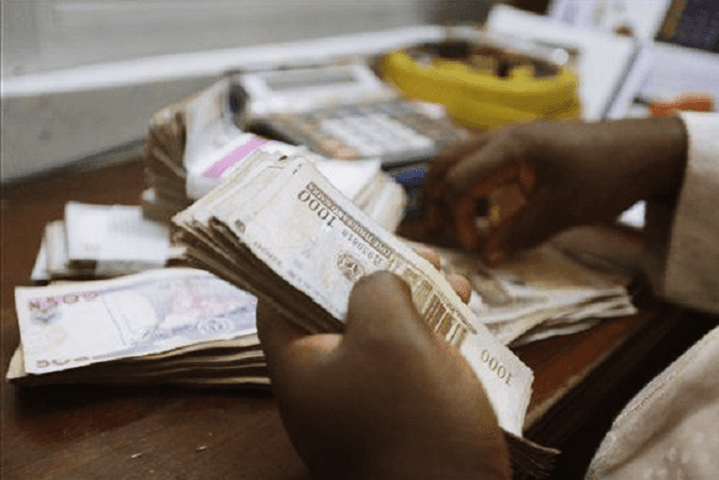


Illustration Photo: Man counting Money

For advert placement, publication of news content, articles, videos or any other news worthy materials on this Website, kindly send mail to [email protected]. 
Economy
5 Simple Steps to Build a Personal Budget for Financial Freedom

Published on
By: Elizabeth Ide
Money often feels like it disappears faster than expected. But the truth is simple: without a plan, it will. A personal budget helps you stay in control, make intentional choices, and build toward financial freedom.
According to the Consumer Financial Protection Bureau (CFPB), “Budgeting gives you control over your money, helps you prepare for emergencies, and reduces financial stress.”
Here are five practical steps to get started;
- Track Income and Expenses
Write down every source of income and every expense, no matter how small. Awareness is the foundation of control. - Categorize Spending
Divide your expenses into Needs, Wants, and Savings/Debt repayment. This helps you see where your money really goes and where adjustments can be made. - Set Realistic Goals
Whether it’s saving for an emergency fund, paying off debt, or planning for a trip, your budget should reflect achievable goals that motivate you. - Build Your Plan
Choose a budgeting method that works for your lifestyle.
50/30/20 Rule: 50% Needs, 30% Wants, 20% Savings/Debt.
Zero-Based Budget: Every money is assigned a purpose before the month begins.
- Monitor and Adjust
Your budget is a living plan, not a rigid rule. Review it regularly and adjust as your income, expenses, or priorities change.
Remember: Budgeting is not about restriction, it’s about freedom. It gives you the power to tell your money where to go instead of wondering where it went.