


The Arena
From Onitsha Market to the Atlantic: Nigeria’s E-Waste Crisis Demands Global Attention

By Elizabeth Elemi Ide
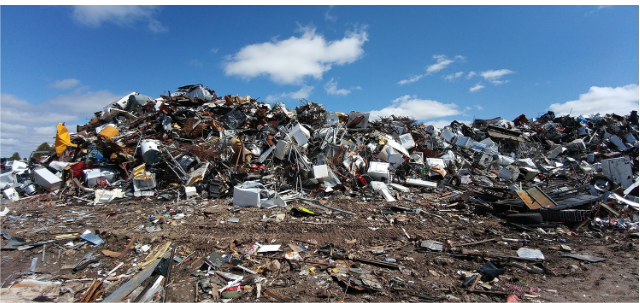
The bustling Onitsha Market, famous for its phone sales and repair hubs, is now facing scrutiny for an environmental crisis that could ripple far beyond Nigeria’s borders. Damaged mobile phone parts discarded daily by repair dealers are finding their way into informal dumpsites and, in some cases, directly into the River Niger, raising alarms about toxic pollution and weak recycling systems.
Rising Tide of Second-Hand Phones
Nigeria’s telecommunications boom began in 2001 with GSM liberalisation, making mobile phones widely accessible. But by the mid-2000s, economic realities shifted consumer preference toward cheaper, imported second-hand devices, popularly known as “UK-used.” These phones, while affordable, have shorter lifespans, creating a steady stream of waste.
By 2010, second-hand phones dominated markets in Lagos, Onitsha, Aba, and Kano. Today, repair plazas such as Emeka Offor Plaza in Onitsha generate large volumes of unusable components daily, with little to no formal recycling infrastructure in place.
Informal Disposal Practices
Traders and repairers often resort to dumping unusable parts in nearby refuse sites. With the market located less than a kilometre from the River Niger, rainfall and flooding wash toxic substances including lead, mercury, and cadmium into the water. In some cases, scraps are deliberately discarded into the river due to a lack of alternatives.
Environmental Pathways and Aquatic Risks
Experts warn that these pollutants contaminate water and harm aquatic life. Fish and other organisms exposed to heavy metals suffer illness, deformities, and increased mortality. Similar incidents have been reported in Bayelsa State, where investigations by the National Oil Spill Detection and Response Agency (NOSDRA) linked aquatic deaths to high concentrations of heavy metals rather than oil spills.
From Local Dumping to Global Impact
Pollution in the River Niger does not remain confined to Onitsha. The river flows into the Atlantic Ocean, carrying contaminants across wider regions. What begins as unmanaged waste in a local market contributes to global environmental degradation, underscoring the interconnectedness of local practices and global sustainability.
Governance Gaps
Nigeria introduced electronic waste regulations in 2011, but enforcement remains weak. Market-level monitoring is limited, and recycling facilities are scarce. This gap between policy and practice has allowed unsafe disposal practices to persist for years.
The Way Forward
Environmental advocates argue that tackling the crisis requires enforceable recycling systems, stronger government oversight, and collaboration with phone manufacturers. Community-led initiatives and public awareness campaigns could also play a role in changing disposal habits.
Onitsha Market’s e-waste problem is more than a local issue, it is a national and global challenge. Without urgent action, toxic phone parts will continue to pollute waterways, threaten biodiversity, and undermine sustainability goals.