


Delta State News
Delta Investment Summit: Ronke Kosoko Sees Blue Economy as Delta’s Investment Goldmine

Princess Ronke Kosoko has called on the Delta State Government to prioritise the development of its inland waterways, describing the blue economy as a major driver of investment, job creation and long-term revenue generation.
Speaking at the Delta State Economic and Investment Summit 2026, Kosoko said Delta possesses the natural assets needed to become Nigeria’s leading marine economy but stressed that success would depend on deliberate execution rather than new policies.
“The challenge is no longer identifying opportunities. The challenge is coordination and execution.”
She commended the Delta State economic team for participating in the inaugural Blue Economy Investment Summit held in Abuja, assuring stakeholders that concerns raised during the summit would be escalated to the appropriate authorities for action.
Kosoko noted that the Federal Government has already laid the foundation for the blue economy through the establishment of the Federal Ministry of Marine and Blue Economy and the approval of the National Marine and Blue Economy Policy (2025–2034), adding that the next phase is for states to leverage their comparative advantages.
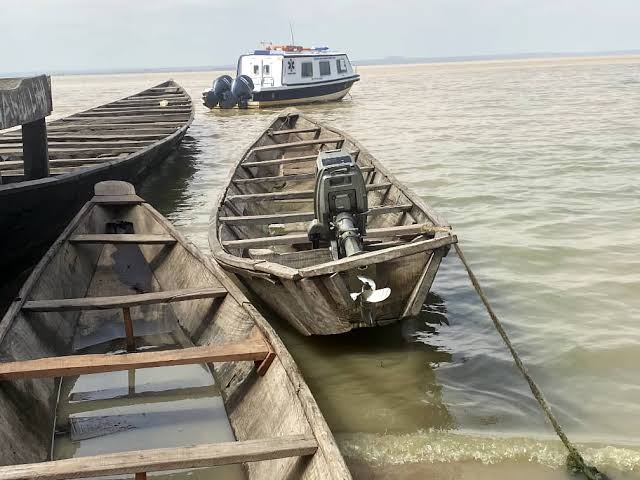
According to her, Delta’s extensive waterways present enormous opportunities across fisheries, aquaculture, shipping, inland water transport, boat building, maritime services and logistics.
“In simple terms, the money is in the water.”
Drawing lessons from Lagos State, she said strategic investment in inland waterways, supported by proper planning, data and institutional coordination, has attracted hundreds of millions of euros in investment while expanding water transportation and related businesses.
Kosoko urged Delta State to map its waterways and clearly identify investment opportunities to make it easier for investors to develop transport, logistics, fisheries and other marine businesses.
She also advocated for the enumeration of artisanal fishermen and women using the National Identification Number (NIN) and Bank Verification Number (BVN) to improve access to financing, modern fishing equipment and other government support programmes.
According to her, empowering traditional fishing communities with modern boats, cold-chain infrastructure and efficient transportation networks would increase productivity, reduce post-harvest losses and improve incomes.
“How do we generate more income? How do we put more money into the pockets of our people? How do we help them commercialise what they are already producing?”
Kosoko further called for stronger integration between agriculture and waterways, noting that Delta’s abundant agricultural produce could be transported more efficiently through inland waterways to markets across Nigeria and other African countries.
She said investments in dredging, water transport infrastructure and logistics would strengthen the state’s blue economy, create employment and position Delta as a major marine and investment hub.